
Treatment of
Headaches
Headaches are one of the most common health complaints, often involving multiple headache types at once—such as tension headaches combined with migraines or headaches triggered by neck dysfunction. Understanding these patterns is key since treatments vary depending on the type.
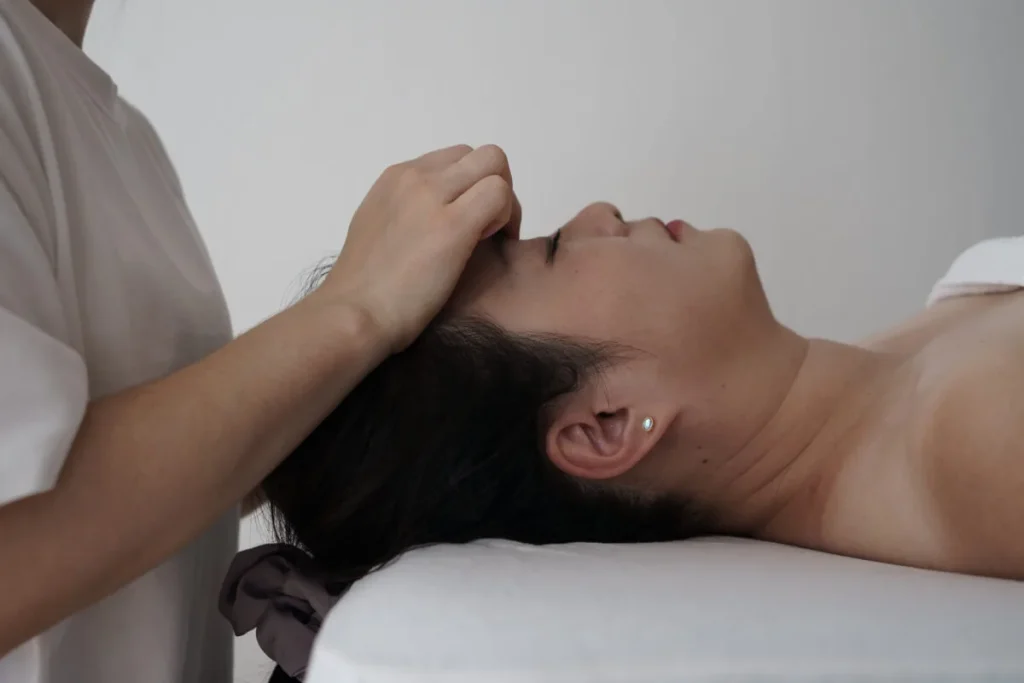
Primary and Secondary Headaches
Headaches vary in intensity, duration, and underlying causes, and they are broadly classified into two main categories: primary headaches and secondary headaches.
- Primary headaches arise from dysfunction or overactivity of pain-sensitive structures in the head. They are not caused by an underlying medical condition but rather by factors such as muscle tension, nervous system imbalances, or vascular changes. The most common types include tension-type headaches, migraines, and cluster headaches.
- Secondary headaches are a symptom of another health issue, such as neck disorders, sinus infections, high blood pressure, jaw problems, or even certain neurological conditions. In these cases, treating the underlying cause is key to reducing headache symptoms.
Identifying the Trigger Factors
Maybe you feel overwhelmed — the internet is full of countless reasons why you might have headaches, and many of them probably sound true for you.
Research has identified a wide range of potential trigger factors, from physical tension and neurological stress to hormonal changes, lifestyle habits, environmental influences, and more.
I understand that every person’s experience is unique. Instead of trying to address everything at once, we take a calm and honest approach: together, we step back and critically explore your individual situation with openness and clarity. By carefully looking at your lifestyle, medical history, we focus on uncovering the key factors that truly matter in your situation.
This process is gradual and compassionate. With patience and presence, we work step by step to address what is most important for you — helping you move toward real relief and lasting balance, in both body and mind.

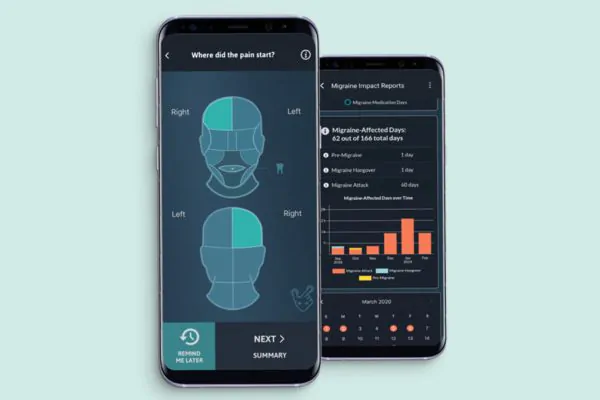
The Importance of a Headache Diary
Tracking headaches is an essential step in understanding patterns and monitoring progress. I encourage my patients to use a digital headache diary, which is easy to update daily and allows for quick export of results for review by me or a doctor.
A headache calendar serves several purposes:
- Provides a clear overview of frequency and severity
- Helps track progress over time when implementing new therapies
- Identifies patterns and triggers
- Monitors responses to treatment, allowing us to adjust the therapy plan accordingly
Clinic Peace
Comprehensive Approach to Headache Relief
Effective headache management requires a personalized and often multi level/multi discipliner approach. Below are the key elements we will focus on:
Breathing Techniques
Manual Therapy
Stress Management
Home Exercises
Lifestyle Adjustments
Specialized Yoga for Headache Relief
Self-Massage Techniques
Meditation
An Individualized Treatment Approach
There is no single solution for headaches. Instead, it’s like a puzzle, where we put together the right combination of therapies, lifestyle adjustments, and treatments that fit your specific needs.
- First, we take a detailed look at your lifestyle, family history, headache triggers, and relief factors.
- Keeping a headache diary helps us track patterns, triggers, and progress over time. Most of my patients prefer a digital version, as it’s easy to log daily symptoms and export reports for me or your doctor.
- After a comprehensive assessment, we create a personalized plan tailored to your needs, ensuring the right balance with the rest of your life.
- I will support you every step of the way—not just by handing you a treatment plan, but by guiding and encouraging you through each step of your journey.
Treating the Whole System
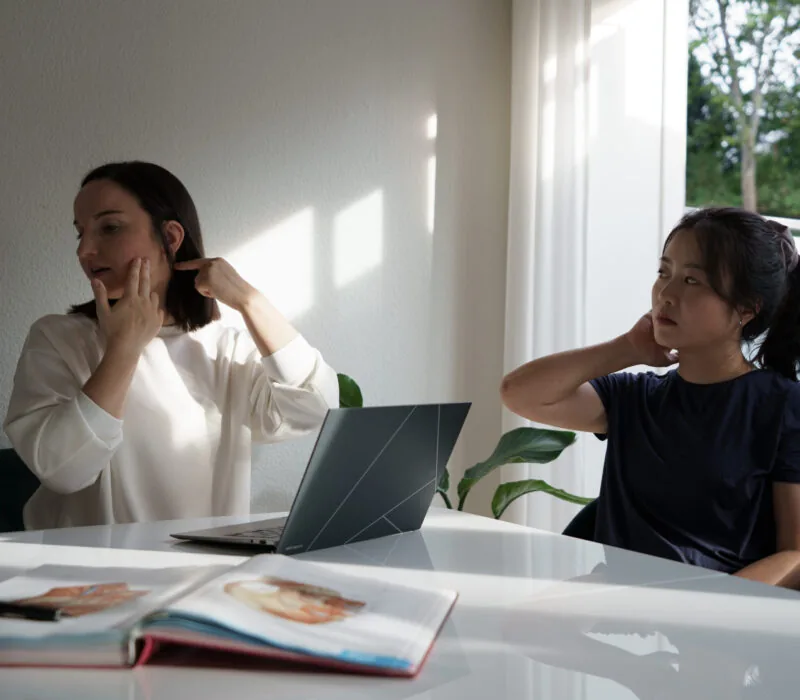
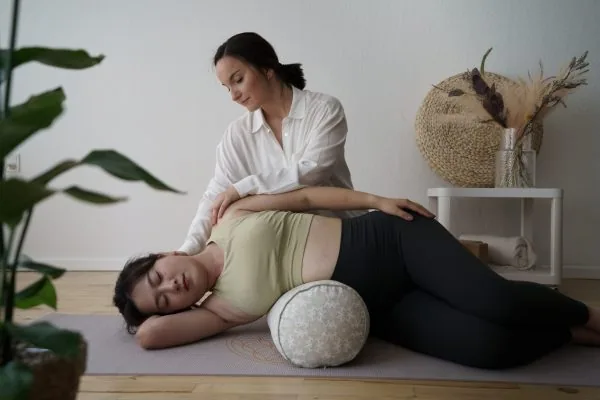
Headaches are rarely isolated. My approach considers the entire body—musculoskeletal health, organ function, nervous system regulation, and lifestyle factors.
What can I expect from a consultation with you?
Each situation is different, so our work together begins with understanding your specific pain patterns, lifestyle, and needs. In the first 4–5 consultations, we build a plan tailored to you. This may include exercises, lifestyle adjustments, self-care strategies, and, if needed, manual therapy. We monitor progress, making adjustments along the way to ensure you feel real, lasting improvement.
How often do I need to come for treatment?
It varies. Many people start with weekly sessions to establish a strong foundation. As symptoms improve—such as better sleep, fewer and less intense headaches, and a greater sense of calm—we adjust the frequency. Some continue every 4-6 weeks to maintain stability, while others transition to occasional check-ins when they feel the need. My goal is to empower you to recognize what works for you.
Do you only use physiotherapy, or do you combine it with other techniques?
I integrate physiotherapy with manual treatments, soft tissue relaxation techniques, fascia integration therapy, specific stretching and strengthening exercises, breathing techniques, and stress management strategies. I also offer Yoga as a therapy, especially for those struggling with chronic headaches, tension, and jaw pain. The combination depends on what benefits you the most.
I’ve tried many treatments for headaches. How is your approach different?
At Clinic Peace we look broad and deep to the problem—at posture, muscle tension, breathing patterns, stress levels, and even lifestyle habits. Together, we create a plan that is realistic, personalized, and effective for long-term relief. The goal is not just to manage pain, but to help you feel more connected with yourself by understanding that the body doesn’t tense up randomly—there are underlying reasons behind the tension.
Can Yoga really help with headaches and pain?
Specific Yoga practices, especially Yin Yoga, can help release tension in the neck, shoulders, and jaw, regulate the nervous system, and support pain management. I offer special Yoga classes designed for people with headaches, where we focus on deep relaxation, breathwork, and gentle movements that promote relief.
Do I need to have experience with Yoga to join your classes?
My classes are accessible to everyone, whether you are completely new to Yoga or have experience. The movements are gentle, and I guide you through each step, ensuring that it feels safe and effective for you. If there are some physical limitations, I can always find the better suited modification pose.
What if my headaches are stress-related?
Stress plays a significant role in headache frequency and intensity. We address this by working on nervous system regulation, breathing techniques, and mindfulness techniques. Many of my clients experience a more peaceful mind, deeper sleep, and overall reduced stress levels as part of their therapy.
How do I know if this approach is right for me?
If you are struggling with headaches, neck/shoulder tension, or jaw tension and are looking for a personalized, professional approach, this could be exactly what you need. The best way to find out is to book an initial consultation, where we can explore what works best for you.